
The Plantronics CS540 manual PDF offers comprehensive guidance for users seeking to maximize headset performance. This document covers setup, configuration, and troubleshooting steps, ensuring a seamless experience across all supported devices. Users can access firmware updates and support online forums.!!!!!!!!
Purpose of the Manual
The Plantronics CS540 manual PDF serves as the definitive reference for users, technicians, and support personnel. It consolidates all essential information—ranging from initial setup, configuration, to advanced troubleshooting—into a single, easily navigable document. By providing step‑by‑step instructions, illustrative diagrams, and clear warnings, the manual ensures that every user can achieve optimal performance and extend the lifespan of the headset. Additionally, it offers guidance on firmware updates, compatibility with various operating systems, and integration with enterprise communication platforms. The manual’s structured format allows quick access to frequently asked questions and detailed solutions for common issues, reducing downtime and support calls. Ultimately, the purpose of this manual is to empower users with knowledge, streamline deployment, and foster a consistent user experience across diverse environments.
Additional details include troubleshooting workflows, audio calibration steps, and battery management tips. Users can reference the quick‑start guide for immediate setup, while the advanced section covers integration with VoIP, Microsoft Teams, and Zoom. The manual also lists supported drivers and firmware versions for Windows, macOS, and Linux, ensuring compatibility across platforms. For remote assistance, the PDF contains links to video tutorials and a dedicated support portal. The document’s design emphasizes clarity, with consistent iconography and color coding to aid users in navigating complex settings quickly and confidently.
Help center now

System Overview
The Plantronics CS540 headset delivers crystal‑clear audio, advanced noise cancellation, and ergonomic comfort. It supports USB, Bluetooth, and analog connectivity, integrating seamlessly with PC, Mac, and mobile devices. Firmware updates enhance functionality and security. Compatible with macOS, it offers EQ presets.Pro
Device Features
The Plantronics CS540 headset offers a suite of advanced features designed for professional audio communication. Its high‑frequency response delivers clear, natural voice reproduction, while the integrated noise‑cancellation mic eliminates background hiss and chatter; The headset supports multiple connectivity options: USB‑C for modern laptops, Bluetooth 5.0 for mobile devices, and a 3.5‑mm analog jack for legacy systems. Each mode can be switched seamlessly via the on‑board button or software control. The ergonomic design includes a flexible, padded headband and memory‑foam ear cushions that reduce fatigue during long sessions. The adjustable ear cups accommodate a wide range of head sizes and provide a secure fit. The CS540 also features a built‑in volume control and mute button, allowing instant adjustments without leaving the call. Software integration with Plantronics’ Control Center allows users to customize equalization, set up presets for different applications, and monitor battery life. The headset’s battery life exceeds 15 hours on a single charge, and it includes a quick‑charge mode that delivers several hours of use from a 10‑minute charge. The CS540 is certified for use with Windows, macOS, and Android, ensuring broad compatibility across platforms. Its robust build and water‑resistant coating make it suitable for demanding work environments. Fast charging delivers power in minutes now.
System Requirements
The Plantronics CS540 headset requires a compatible operating system and sufficient hardware resources for optimal performance. For Windows, the device is supported on Windows 7 SP1, Windows 8.1, Windows 10, and Windows 11 (64‑bit editions); The minimum system requirements include a USB 2.0 port or a Bluetooth 5.0 radio, 2 GB of RAM, and a 1 GHz processor. For macOS, the headset works on macOS 10.12 (Sierra) and newer, with a minimum of 2 GB RAM and a 1.2 GHz processor. Android devices must run Android 6.0 (Marshmallow) or later, with Bluetooth 5.0 support. iOS devices require iOS 12.0 or newer and Bluetooth 5.0. The Plantronics Control Center software is available for Windows and macOS; the latest version requires a 2.0 GHz processor, 4 GB RAM, and 500 MB of free disk space. The headset’s firmware updates are delivered via the Control Center or the Plantronics website. Users should ensure that the USB drivers are up to date and that any third‑party audio drivers are compatible with the headset’s audio class. For Bluetooth connectivity, the device must support the Hands‑Free Profile (HFP) and Advanced Audio Distribution Profile (A2DP). The headset’s battery management system requires a USB‑C charger rated at 5 V/2 A for fast charging. In addition, the headset’s audio drivers must be enabled in the system’s sound settings, and the default communication device should be set to the CS540. Users should also verify that the system’s power settings allow the headset to remain active during sleep or hibernation modes. This guarantees seamless audio and extended battery life during sessions!!
Installation
The installation process involves connecting the CS540 to a USB port or pairing via Bluetooth, installing the Plantronics Control Center, and configuring audio settings. Follow the on‑screen prompts to update firmware and test call quality. Ensure drivers are optimal for performance today!!
Software Setup
Download the latest Plantronics Control Center from the official site. Install by running the setup, accept the license, and choose the default folder. After installation, open the Control Center and connect the CS540 via USB or Bluetooth. The software detects the headset and offers firmware updates. Make sure your OS meets minimum specs: Windows 10/11 or macOS 10.15+. For Windows, enable the USB Audio Device driver; for macOS, allow the headset in System Preferences under Sound. Once connected, set the headset as the default input and output device, adjust volume, and turn on noise cancellation. The Control Center provides equalizer presets, call recording, and button mapping. Test audio by making a call or using the built‑in test feature. If the headset isn’t detected, check the USB port, disable power‑saving, or reinstall drivers. For Bluetooth pairing, press and hold the power button until the LED blinks, then add the device in Bluetooth settings. After pairing, confirm the audio path and test again. The software logs firmware updates and allows rollbacks. Keep the Control Center updated for new features and security patches. For troubleshooting, refer to the FAQ in the software or visit the support portal; Customise button functions via the Buttons tab, assign mute, volume, or hold actions. Advanced users can use the Plantronics SDK to integrate with VoIP platforms; install the SDK, read the API docs, and test scripts in a safe environment. Finally, export your configuration to a file for quick restoration on another system. Following these steps guarantees a reliable, high‑quality audio experience with the CS540 headset.
To safeguard settings, use the Export feature in the Settings menu to save a configuration file. This file can be imported on any machine running the same Control Center version, ensuring consistent audio behavior. If you encounter connectivity issues, reset the headset by holding the power button for 10 seconds until the LED flashes red, then reconnect. For advanced diagnostics, enable verbose logging in the Advanced tab and review the log file located in the user profile directory. The support portal hosts firmware release notes, driver updates, and community forums where experienced users share tips. By maintaining up‑to‑date firmware and following the recommended setup procedures, you’ll enjoy uninterrupted, crystal‑clear communication. Remember to keep the headset firmware current for optimal performance.
Hardware Setup
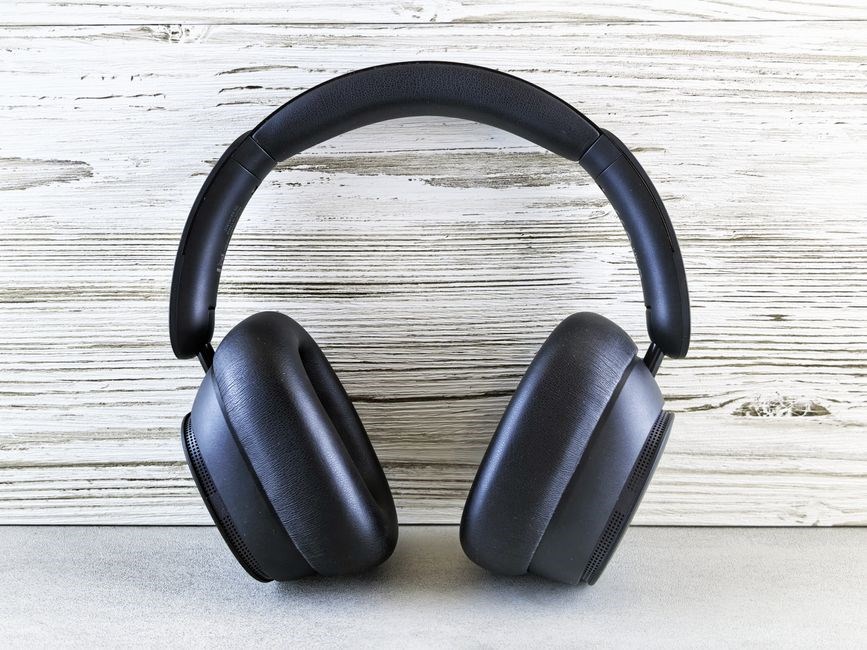
Setting up the Plantronics CS540 headset involves a few straightforward steps that ensure optimal performance and connectivity. First, unbox the headset and verify that all components are present: the ear cups, headband, USB dongle (if using wired mode), and the quick‑start guide. Next, position the headset on your head so that the ear cups comfortably cover your ears and the headband sits snugly across the crown. Adjust the ear cup angle to align the microphones with your mouth, which improves voice clarity during calls. If you prefer the wireless mode, press and hold the power button until the LED flashes, then pair the headset with your computer or mobile device via Bluetooth. For wired operation, connect the USB dongle to an available USB port; the headset will be recognized automatically by the operating system. Once connected, confirm that the headset is listed as the default audio device in your system’s sound settings. If you experience latency or audio dropouts, try moving the USB dongle to a different port or using a USB extension cable. The CS540 also supports a 3.5 mm jack; simply plug the headset into the headphone jack, and the device will switch to analog mode. For users, the headset’s firmware can be updated using the Plantronics Control Center; launch the software, select the headset, and follow the on‑screen prompts to download and install the latest firmware. After the update, reboot the headset to apply changes. Finally, test the headset by making a test call or using the built‑in test feature to ensure all microphones, speakers, and buttons respond correctly

Manual PDF Access
Access the Plantronics CS540 manual PDF via the official support portal. Navigate to the Downloads section, locate the CS540 entry, and select the PDF version. The file is 1.2 MB and contains detailed instructions, diagrams, and troubleshooting tips for optimal use Download PDF for offline reference, consult FAQ.
Download Locations
The official Plantronics website hosts the CS540 manual in PDF format, accessible through the Support > Downloads section. Users can search by model number or product name to locate the exact manual. Once located, the PDF can be downloaded directly, ensuring the latest version is obtained. Additionally, the manual is available on major third‑party documentation platforms, such as ManualsLib and Scribd, where users can view or download the file for offline reference. For those who prefer a quick link, the direct URL to the PDF is: https://www.plantronics.com/support/downloads/cs540-manual.pdf. This link redirects to the secure server hosting the file, guaranteeing authenticity and integrity. If the primary link is unavailable, a mirror link can be found on the Plantronics community forum, where members share verified resources. Users should verify the file’s checksum, typically provided in the download page, to confirm that the PDF has not been tampered with. The manual includes detailed sections on hardware setup, software configuration, and troubleshooting, making it a valuable resource for both new and experienced users. For additional assistance, the support portal offers live chat and ticket submission options. Users can also subscribe to the Plantronics newsletter for updates on firmware releases and new documentation. All these download options ensure that users have reliable access to the CS540 manual at any time. The manual is also compatible with PDF readers on Windows, macOS, and Linux, and can be printed or saved for quick reference. Users can bookmark sections for easy navigation. The PDF includes a table of contents, index, and search functionality. For mobile users, the Plantronics app provides a summarized version of the manual. The file size is optimized for fast download over limited bandwidth connections. The manual is licensed under a standard copyright, and redistribution is prohibited without permission. Additionally, the manual contains a glossary of terms, a FAQ section, and step‑by‑step images that illustrate key concepts. Users can also export the PDF to PDF‑to‑text converters for accessibility tools. The manual is updated annually to reflect firmware changes and new features. All content is reviewed by technical writers and certified by Plantronics quality assurance teams. The manual is also available in a compressed ZIP archive for users who prefer smaller file sizes, and the archive contains the same PDF along with supplementary images. The Plantronics support team can provide additional copies upon request. The manual’s PDF is searchable, allowing users to quickly locate specific terms or sections. The document is formatted for readability, with clear headings and consistent styling. The file is protected by a digital signature to verify authenticity. All updates are posted on the official website, ensuring users always have the latest information.

Troubleshooting
When the Plantronics CS540 headset fails to connect or produces audio glitches, first verify cable integrity, then reset the device via the power button. If issues persist, update firmware through the PC software, and check the manual’s troubleshooting guide for specific error codes. SeeGuide

Common Issues
Users often encounter connectivity hiccups with the Plantronics CS540, especially when Bluetooth or USB pairing fails. Interference from nearby wireless devices, outdated drivers, or incorrect power settings can trigger these problems. Another common issue is audio dropouts or distortion, usually caused by loose cables, damaged ports, or firmware mismatches. Many users also report difficulties configuring the microphone, leading to muted or garbled voice. Battery level inaccuracies are frequent, stemming from calibration errors or aging cells. Lag in audio playback is another frequent complaint, often due to insufficient system resources or conflicting drivers. Noise‑cancellation failures occur when the headset is not properly calibrated or when environmental noise exceeds the device’s threshold. The manual PDF outlines step‑by‑step troubleshooting, including driver updates, device resets, and cable checks. The manual also recommends maintaining 120% battery life for users.
After performing standard resets, users should verify that the headset is set as the default communication device in the operating system’s audio settings and that exclusive mode is disabled. In multi‑user setups, simultaneous audio streams can cause conflicts; disabling other devices or adjusting audio priority often resolves the issue. For VoIP applications, installing the latest softphone version is essential, as compatibility problems can lead to jitter or packet loss. Environmental factors such as electromagnetic interference, extreme temperatures, or humidity can degrade signal quality; relocating the headset or using shielded cables mitigates these effects. Persistent problems may require clearing the headset’s cache or executing a factory reset. The Plantronics CS540 manual PDF provides detailed instructions for these procedures, and the manufacturer’s online community forums offer additional user‑shared solutions for all users!
Additional Resources

The Plantronics CS540 manual PDF links to firmware updates, support forums, and user guides. Download the latest firmware from the official site, join community discussions, and subscribe to email alerts for updates. Access help articles and FAQs for quick troubleshooting. For advanced users, check the API guide.
Support & Firmware Updates
To keep your Plantronics CS540 headset running at peak performance, regularly check for firmware updates and utilize the support resources provided by Plantronics. Firmware updates address bugs, improve connectivity, and add new features, ensuring compatibility with the latest operating systems and devices.
Access the official firmware repository by visiting the Plantronics support portal. Search for “CS540 firmware” and download the latest version. The installation process is straightforward: unzip the package, run the installer, and follow on‑screen prompts. The installer automatically backs up current firmware, allowing easy rollback if needed.
For troubleshooting, consult the online knowledge base. Topics include Wi‑Fi pairing, audio quality, and battery management. Community forums host user discussions and solutions for uncommon issues. If you encounter persistent problems, submit a support ticket through the portal; support staff respond within 24–48 hours.
Additionally, subscribe to the Plantronics newsletter for release notes and security advisories. Enable automatic update notifications in the headset’s settings to receive alerts when new firmware is available. Regular updates help maintain device security and performance over time.
For advanced users, check the API guide for integration with custom applications. The guide includes sample code snippets, configuration files, and best practices for ensuring low latency and high audio fidelity. Contact the support team for assistance with complex setups. Thanks
Be First to Comment