
ICM450A Manual: Comprehensive Guide
This manual details the ICM450A and ICM450A PLUS, offering superior 3-phase motor protection against faults like phase unbalance and voltage issues․
The ICM450A represents a significant advancement in 3-phase motor protection technology․ Designed to safeguard your valuable motor assets, this device proactively defends against premature failure and costly damage stemming from prevalent voltage faults․ These faults include, but aren’t limited to, phase unbalance, over/under voltage conditions, complete phase loss, and potentially damaging phase reversals․
This comprehensive manual serves as your guide to understanding, installing, operating, and maintaining the ICM450A and its enhanced counterpart, the ICM450A PLUS․ We will delve into the features, specifications, and operational nuances of both models, ensuring you can effectively leverage their capabilities․ Proper implementation of this voltage control system is crucial for maximizing equipment lifespan and minimizing downtime․ This manual aims to empower you with the knowledge needed for optimal performance and reliable protection․
What is the ICM450A and its Purpose?
The ICM450A is a sophisticated 3-phase voltage monitoring and protection relay․ It’s engineered to continuously monitor incoming voltage to three-phase motors, proactively identifying and responding to abnormal conditions that could lead to motor failure․ Its primary purpose is to prevent damage and extend the operational life of your motors, reducing costly repairs and downtime․
Unlike traditional protection methods, the ICM450A offers precise detection of issues like phase imbalances, voltage fluctuations (over and under voltage), complete phase loss, and incorrect phase sequencing (reversal)․ By swiftly reacting to these faults, it safeguards against winding burnout, bearing damage, and other motor-related problems․ The ICM450A isn’t merely a reactive device; it’s a preventative measure, ensuring consistent and reliable motor performance, ultimately protecting your investment․
ICM450A PLUS: Key Differences
The ICM450A PLUS builds upon the robust foundation of the ICM450A, introducing enhanced features for even greater motor protection and operational flexibility․ While both models excel at safeguarding against common voltage faults – phase unbalance, over/under voltage, phase loss, and reversal – the PLUS version incorporates advanced functionalities․
Key distinctions include expanded communication capabilities, often featuring Modbus RTU/TCP for seamless integration into existing industrial control systems․ This allows for remote monitoring and control of protection parameters․ Furthermore, the ICM450A PLUS typically offers more configurable settings, providing finer control over trip thresholds and response times․ Some models include enhanced logging capabilities, storing detailed event data for improved diagnostics and preventative maintenance․ Essentially, the PLUS version delivers a more comprehensive and adaptable solution for critical motor protection applications․

Understanding Motor Protection
Protecting motors from voltage faults—like phase unbalance, over/under voltage, phase loss, and reversal—is crucial to prevent premature failure and costly downtime․
Why is Motor Protection Important?
Motors are the workhorses of countless industrial and commercial applications, representing a significant capital investment․ Protecting these vital assets is paramount for maintaining operational efficiency and minimizing costly downtime․ Unprotected motors are vulnerable to a range of electrical faults, leading to premature failure, reduced performance, and potentially hazardous situations․
Common voltage disturbances, such as phase imbalances, overvoltage, undervoltage, phase loss, and phase reversal, can inflict substantial stress on motor windings, causing overheating, insulation breakdown, and ultimately, motor burnout․ The financial implications extend beyond the cost of motor replacement, encompassing lost production, repair labor, and potential damage to connected equipment․

Implementing robust motor protection solutions, like those offered by the ICM450A and ICM450A PLUS, safeguards your investment, ensures reliable operation, and enhances workplace safety․ Proactive protection translates to reduced maintenance expenses, extended motor lifespan, and increased overall productivity․
Common Voltage Faults Affecting Motors
Motors frequently encounter voltage disturbances that compromise their performance and longevity․ Four prevalent faults demand attention: phase unbalance, over/under voltage, phase loss, and phase reversal․ Phase unbalance, where voltage magnitudes differ across phases, induces circulating currents, causing overheating and reduced efficiency․
Overvoltage stresses insulation, accelerating degradation and increasing the risk of dielectric breakdown․ Conversely, undervoltage reduces torque, potentially stalling the motor under load․ Phase loss, the complete absence of voltage on one phase, results in severe current imbalance and rapid winding damage․
Finally, phase reversal, swapping the connections of two phases, causes the motor to rotate in the wrong direction and subjects it to significant mechanical and electrical stress․ The ICM450A and ICM450A PLUS are specifically designed to detect and respond to these faults, preventing catastrophic motor failures․
Phase Unbalance
Phase unbalance occurs when the voltage magnitudes across the three phases of a three-phase system are unequal․ Even a relatively small imbalance – typically exceeding 2% – can have detrimental effects on motor performance and lifespan․ This disparity generates negative sequence currents that flow through the motor windings, creating heat that isn’t dissipated by the motor’s cooling system․
These circulating currents lead to increased motor temperature, reduced efficiency, and accelerated insulation breakdown․ Over time, phase unbalance can cause premature winding failure, resulting in costly downtime and repairs․ The ICM450A actively monitors phase voltages, detecting even minor imbalances and initiating protective actions to safeguard the motor․
Prompt detection and mitigation of phase unbalance are crucial for maintaining optimal motor operation and preventing unexpected failures․
Over/Under Voltage
Voltage fluctuations, whether exceeding or falling below acceptable limits, pose significant threats to motor health․ Overvoltage conditions can stress motor insulation, accelerating its degradation and increasing the risk of dielectric breakdown․ This can lead to short circuits and catastrophic motor failure․ Conversely, undervoltage reduces the motor’s torque capability, potentially causing it to stall under load․
Prolonged operation at reduced voltage also increases current draw, leading to overheating and winding damage․ The ICM450A continuously monitors incoming voltage levels, providing robust protection against both overvoltage and undervoltage scenarios․
Adjustable trip thresholds allow users to customize protection settings based on specific motor requirements and application parameters, ensuring optimal performance and longevity․
Phase Loss
Phase loss, the interruption of voltage supply to one phase of a three-phase motor, is a particularly damaging fault condition․ Operating a three-phase motor with a missing phase results in severe current imbalance, causing excessive heating in the remaining phases․ This concentrated heat rapidly degrades motor windings, leading to insulation failure and eventual motor burnout․
Unlike some other faults, phase loss often doesn’t immediately trip standard overload protection, allowing the damaging condition to persist undetected for an extended period․ The ICM450A incorporates dedicated phase loss detection, providing rapid and reliable protection against this critical failure mode․
Immediate shutdown upon phase loss detection minimizes stress on the motor, preventing costly repairs and downtime․
Phase Reversal
Phase reversal occurs when two of the three phases supplying a three-phase motor are inadvertently swapped․ While a motor may continue to run with reversed phases, it operates with reduced efficiency and, critically, generates reverse torque in some components․ This reversed torque can cause significant mechanical stress, particularly on coupled equipment like pumps, fans, and gearboxes․
Prolonged operation with phase reversal can lead to premature wear and failure of both the motor and connected machinery․ The ICM450A is designed to quickly detect phase reversal conditions, preventing prolonged operation under these damaging circumstances․
The device’s rapid response minimizes mechanical stress and safeguards against potential damage, ensuring the longevity of your motor and associated systems․ Immediate shutdown is crucial to avoid costly repairs and downtime․
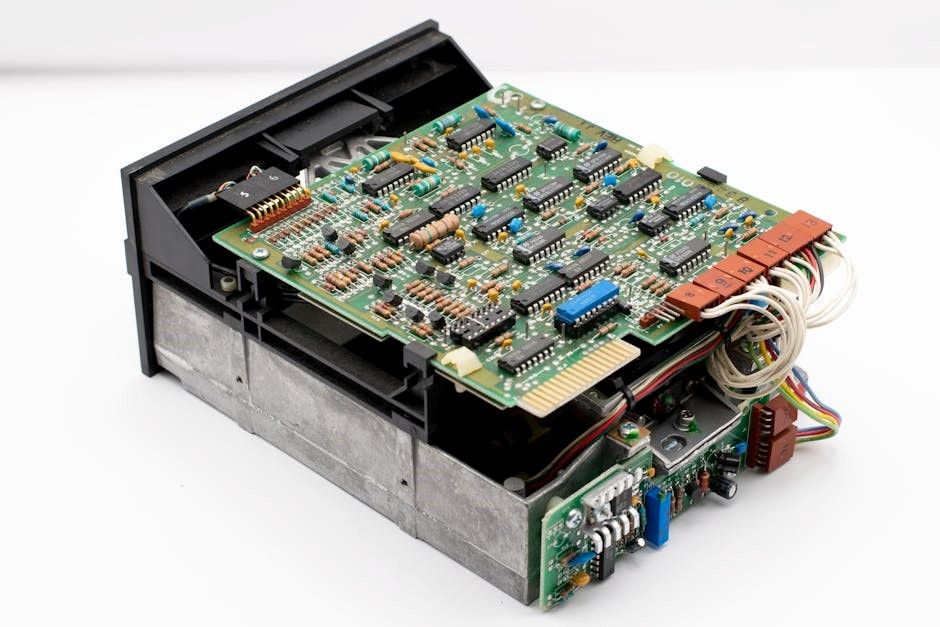
ICM450A Features and Specifications
The ICM450A and PLUS models deliver advanced voltage protection, including phase unbalance, over/under voltage, phase loss, and reversal detection capabilities․
Detailed Feature Breakdown
The ICM450A and ICM450A PLUS are designed as robust, three-phase voltage monitoring relays, specifically engineered to safeguard motors from premature failure․ These devices excel at detecting and responding to a range of common electrical faults that can inflict significant damage․ A core feature is comprehensive protection against phase unbalance, preventing issues arising from uneven voltage distribution across phases․
Furthermore, the ICM450A series provides vigilant over/under voltage protection, ensuring motors operate within safe voltage limits․ Critical phase loss detection immediately identifies the absence of a phase, while phase reversal protection safeguards against incorrect phase sequencing․ These features collectively contribute to enhanced motor reliability and extended operational lifespan․ The relays are built for durability and accuracy, offering a dependable solution for industrial and commercial motor protection applications․ They represent a significant advancement in voltage control technology․
Technical Specifications of the ICM450A
The ICM450A operates on a three-phase voltage input, typically ranging from 208 to 600 VAC, with a frequency of 50/60 Hz․ Its voltage monitoring range is precisely calibrated to detect deviations indicative of potential motor-damaging faults․ The device boasts a high-speed response time, crucial for swiftly mitigating voltage disturbances․
Regarding protection settings, the phase unbalance protection is adjustable, allowing customization to specific motor requirements․ Over/under voltage limits are also configurable, providing flexibility in defining acceptable voltage boundaries․ The ICM450A features a relay output for signaling fault conditions, enabling integration with existing control systems․ It’s designed for industrial environments, withstanding typical operating temperatures and humidity levels․ Power consumption is minimized for energy efficiency, and the unit is built with robust construction for long-term reliability․
ICM450A PLUS Enhanced Features
The ICM450A PLUS builds upon the core functionality of the ICM450A, introducing advanced features for enhanced motor protection and system monitoring․ A key addition is the inclusion of advanced harmonic distortion monitoring, providing insights into power quality issues that can negatively impact motor performance and lifespan․
Furthermore, the PLUS model incorporates improved communication capabilities, supporting Modbus RTU for seamless integration with Programmable Logic Controllers (PLCs) and Supervisory Control and Data Acquisition (SCADA) systems․ This allows for remote monitoring and control of protection parameters․ The ICM450A PLUS also features a more detailed event logging system, capturing a wider range of fault events for comprehensive analysis․ Enhanced diagnostic tools are included, simplifying troubleshooting and reducing downtime․ Finally, the PLUS version offers expanded voltage input range flexibility․

Installation and Wiring
Proper installation is crucial for reliable operation․ This section provides detailed wiring diagrams, mounting instructions, and essential safety precautions for the ICM450A․
Wiring Diagrams for the ICM450A
Understanding the wiring configurations is paramount for successful ICM450A integration․ These diagrams illustrate various connection scenarios, ensuring correct implementation for diverse motor setups; Typical configurations include three-wire and four-wire systems, accommodating different voltage levels and control schemes․
Detailed schematics showcase the connection points for phase inputs (L1, L2, L3), neutral (N), and ground (GND)․ Clear labeling and color-coding are utilized for easy identification․ Furthermore, diagrams depict the wiring for control signals, such as start/stop inputs and alarm outputs․
Pay close attention to the specified wire gauges and terminal tightening torques to guarantee secure and reliable connections․ Incorrect wiring can lead to malfunction or damage to the ICM450A and connected motor․ Always verify the voltage compatibility before connecting the device․ Refer to the accompanying documentation for specific wiring recommendations based on your application․
Mounting Instructions
Proper mounting ensures optimal ICM450A performance and longevity․ Select a location free from excessive vibration, dust, and moisture․ The unit is typically DIN rail mounted, requiring a standard 35mm DIN rail․ Ensure the rail is securely fastened to a stable surface․
Before mounting, verify adequate ventilation around the device to prevent overheating․ Maintain a minimum clearance of 50mm (2 inches) on all sides․ Use the provided mounting clips to securely attach the ICM450A to the DIN rail․ Confirm the clips are fully engaged and locked into place․
Avoid mounting the device near strong electromagnetic interference sources․ Tighten the mounting screws to the specified torque (refer to technical specifications) to prevent loosening due to vibration․ Inspect the mounting periodically to ensure it remains secure․ Incorrect mounting can compromise the device’s protective functions․
Safety Precautions During Installation
Prioritize safety during ICM450A installation․ Always disconnect power to the motor circuit before commencing any wiring or mounting procedures․ Verify the absence of voltage using a calibrated voltmeter․ Installation should only be performed by qualified personnel familiar with electrical systems and safety regulations․
Wear appropriate personal protective equipment (PPE), including safety glasses, insulated gloves, and appropriate clothing․ Avoid contact with live electrical components․ Ensure proper grounding of the ICM450A to prevent electrical shock․ Do not install the device in hazardous locations without appropriate enclosure and certification․

Carefully inspect all wiring connections for tightness and correct polarity․ Incorrect wiring can lead to equipment damage or personal injury․ Follow all local and national electrical codes․ If unsure about any aspect of the installation, consult a qualified electrician․

Operation and Settings
The ICM450A interface allows for precise control of protection parameters․ Users can adjust settings for phase unbalance, over/under voltage, and monitor system status effectively․
Understanding the ICM450A Interface
The ICM450A boasts a user-friendly interface designed for intuitive operation and efficient monitoring of critical motor parameters․ The front panel typically features a clear, multi-line LCD display providing real-time readings of voltage, current, and protection status․ Navigation is usually accomplished through a combination of tactile buttons – often including ‘Enter’, ‘Up’, ‘Down’, and ‘Escape’ – allowing for easy access to various menus and settings․
The interface is structured logically, grouping related parameters for streamlined adjustments․ Key areas include voltage monitoring, where you can view individual phase voltages and overall voltage balance․ Current monitoring displays phase currents and total load current․ The protection settings menu allows configuration of thresholds for phase unbalance, over/under voltage, phase loss, and phase reversal․ A status indicator clearly shows the operational state of the ICM450A and any active fault conditions․ Understanding this layout is crucial for effective system management and troubleshooting․
Setting Protection Parameters

Properly configuring protection parameters is vital for safeguarding your motors․ The ICM450A allows precise adjustment of thresholds to match your specific motor characteristics and application requirements․ Access the ‘Protection Settings’ menu via the interface to begin․
Adjusting Phase Unbalance Protection: Define the acceptable percentage deviation between phases․ A typical setting is between 2-5%, but consult your motor manufacturer’s recommendations․ Configuring Over/Under Voltage Limits: Set upper and lower voltage boundaries․ Exceeding these limits triggers a shutdown, preventing damage from voltage surges or dips․ Consider your local power grid’s typical fluctuations․ Accurate settings are crucial; overly sensitive settings can cause nuisance trips, while insufficient settings leave the motor vulnerable․
Remember to document all parameter changes for future reference and troubleshooting․ Regularly review these settings to ensure they remain appropriate for your operating conditions․
Adjusting Phase Unbalance Protection
Phase unbalance, a common issue, can cause significant motor heating and reduced lifespan․ The ICM450A allows precise adjustment of the phase unbalance protection threshold․ Navigate to the ‘Phase Unbalance’ setting within the ‘Protection Parameters’ menu․
Typically, a setting between 2% and 5% is recommended, but always consult your motor manufacturer’s specifications for the optimal value․ Lower percentages offer greater protection but increase the risk of nuisance trips․ Higher percentages provide more tolerance but reduce protection․
Consider the load and operating environment when setting this parameter․ Motors operating under heavy loads are more susceptible to damage from phase unbalance and may require a lower threshold․ Document your chosen setting and periodically review it to ensure it remains appropriate for your application․ Proper adjustment is key to preventing premature motor failure․
Configuring Over/Under Voltage Limits
Protecting your motor from voltage fluctuations is crucial․ The ICM450A enables precise configuration of both over and under voltage protection limits․ Access the ‘Over/Under Voltage’ settings within the ‘Protection Parameters’ menu on the device interface․
First, determine the nominal voltage of your motor․ Then, set the over voltage limit to a percentage above this nominal value – typically between 5% and 10%․ Similarly, set the under voltage limit to a percentage below the nominal voltage, usually between 5% and 10%․
Always refer to your motor’s datasheet for recommended voltage ranges․ Incorrect settings can lead to nuisance trips or insufficient protection․ Regularly verify these settings, especially after any changes to the power supply․ Accurate configuration safeguards against voltage-related motor damage and ensures reliable operation․
Monitoring System Status
The ICM450A provides comprehensive system status monitoring via its integrated interface․ The main display clearly indicates the current voltage of each phase, alongside any active fault conditions․ A dedicated status LED provides a quick visual indication of normal operation or alarm state․
Navigate to the ‘System Status’ menu to view detailed information, including voltage levels, current draw, and the status of protection relays․ Historical data logging allows for trend analysis, helping identify potential issues before they escalate․ Regularly reviewing this data is vital for preventative maintenance․
The ICM450A also supports remote monitoring capabilities through compatible communication protocols․ This enables proactive oversight and rapid response to any detected anomalies, maximizing uptime and minimizing potential damage․ Consistent monitoring ensures optimal motor performance and longevity․

Troubleshooting and Maintenance
This section details common ICM450A issues, solutions, a preventative maintenance schedule, and explains error codes for efficient system upkeep and repair․
Common Issues and Solutions
Issue: The ICM450A displays a “Phase Loss” error, even though all phases appear connected․ Solution: Verify connections at the breaker and the ICM450A terminal block, ensuring secure and tight fittings․ Check for loose wiring or corrosion․ A weak neutral can also mimic phase loss; investigate neutral connections․
Issue: The unit trips frequently during normal motor operation․ Solution: Review programmed protection parameters (voltage, unbalance)․ Ensure settings align with motor specifications and application requirements․ Incorrect settings are a common cause of nuisance tripping․ Consider ambient temperature effects on motor impedance․
Issue: The ICM450A fails to power on․ Solution: Confirm proper voltage supply to the unit․ Check the internal fuse and replace if blown․ Inspect wiring for shorts or open circuits․ If the issue persists, contact technical support for assistance․
Issue: Inaccurate voltage readings․ Solution: Verify the voltage source and ensure it’s within the ICM450A’s operating range․ Calibrate the unit if necessary, following the calibration procedure outlined in the manual․ Check for harmonic distortion affecting voltage measurements․
Preventative Maintenance Schedule
Monthly: Visually inspect the ICM450A for any signs of physical damage, loose connections, or dust accumulation․ Gently clean the enclosure with a dry cloth․ Verify that the ambient temperature remains within the specified operating range for optimal performance and longevity․
Semi-Annually: Tighten all terminal connections to ensure secure wiring and prevent potential issues caused by vibration or thermal expansion․ Check the internal fuse for any signs of degradation or corrosion, replacing it if necessary․ Review logged event data for any recurring patterns or anomalies․
Annually: Perform a full functional test by simulating fault conditions (within safe limits) to verify the ICM450A’s protection functions are operating correctly․ Calibrate the unit according to the manufacturer’s instructions to maintain accuracy․ Update firmware to the latest version for enhanced features and security․
Every Two Years: Consider professional inspection and testing by a qualified technician to ensure continued reliable operation and identify any potential issues before they escalate․
ICM450A Error Codes and Meanings
E1: Phase Loss Detected – Indicates a complete loss of voltage on one or more phases․ Immediate shutdown is recommended to prevent motor damage․ Check wiring and power supply․
E2: Phase Unbalance – Voltage imbalance exceeds the configured threshold․ Investigate the cause of the imbalance, potentially a wiring issue or uneven load distribution․
E3: Over Voltage – Input voltage exceeds the programmed maximum limit․ Verify power supply voltage and check for voltage spikes․
E4: Under Voltage – Input voltage falls below the programmed minimum limit․ Investigate power supply issues and potential voltage drops․
E5: Internal Fault – Indicates a problem within the ICM450A itself․ Contact technical support for assistance and potential repair or replacement․
E6: Communication Error – Failure to communicate with connected devices․ Check wiring and communication settings․
Be First to Comment