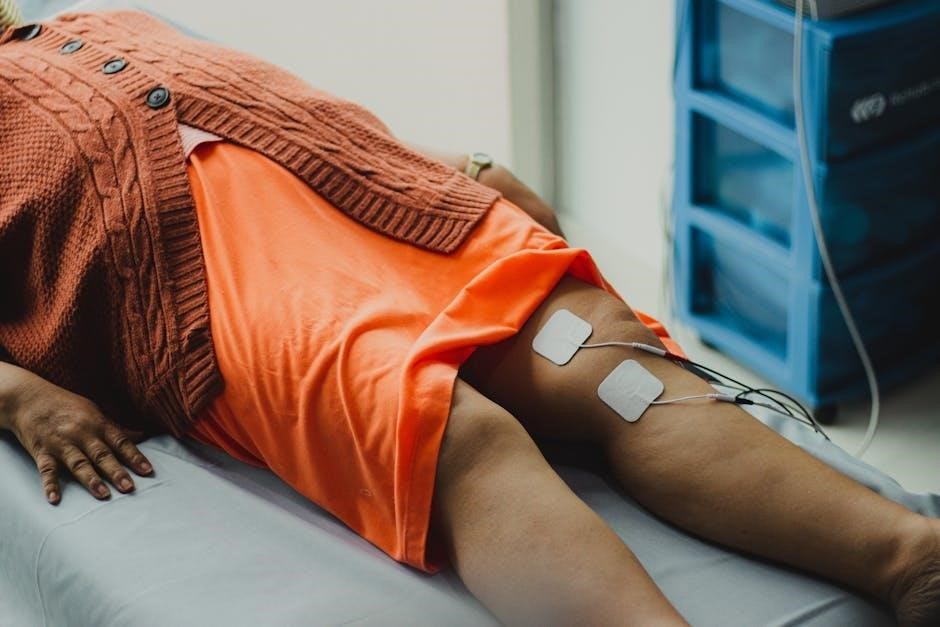
Hip fracture rehabilitation is crucial for regaining mobility and independence; NICE guidelines emphasize early intervention and a structured physiotherapy program․
What is a Hip Fracture?
A hip fracture is a break in the upper part of the femur (thigh bone)․ It’s a significant injury‚ particularly for older adults‚ often resulting from falls or underlying bone weakness․ These fractures can occur in different locations around the hip joint‚ influencing treatment and rehabilitation approaches․
Hip fractures frequently necessitate emergency surgery and anesthesia․ The injury is life-changing‚ impacting mobility and independence․ Prompt diagnosis and intervention are vital․ Understanding the fracture’s specific type – intracapsular or extracapsular – guides the physiotherapy plan․ NICE guidelines highlight the importance of rapid assessment and tailored care following a hip fracture incident‚ initiating the rehabilitation process swiftly․
The Importance of Rehabilitation
Rehabilitation following a hip fracture is paramount for restoring function‚ reducing complications‚ and improving quality of life․ Early mobilization‚ as advocated by NICE guidelines and the Chartered Society of Physiotherapy (CSP)‚ minimizes muscle weakness and prevents secondary health issues like pneumonia or pressure sores․
A comprehensive program‚ guided by a physiotherapist‚ focuses on regaining strength‚ balance‚ and mobility․ Addressing potential complications and preventing falls are key components․ Effective rehabilitation maximizes independence‚ enabling patients to return to their pre-fracture activity levels‚ or as close as possible․ Delays in accessing physiotherapy‚ however‚ can significantly hinder recovery‚ as highlighted by recent reports of lengthy wait times․

Phase 1: Acute Care & Early Mobilization (Hospital)
Physiotherapists assess patients immediately post-surgery‚ initiating early mobilization protocols – often on day one – focusing on safe movement and pain management․
Immediate Post-Operative Care
Following hip fracture surgery‚ initial care centers on pain control and preventing complications․ Early mobilization‚ as per NICE guidelines‚ is paramount‚ but must be carefully managed․ The physiotherapist’s first visit‚ ideally on the day of or following surgery‚ establishes a baseline assessment of the patient’s condition and functional abilities․
This initial phase prioritizes protecting the surgical site while gently encouraging movement within pain-free ranges․ Strategies include positioning‚ assisting with transfers (bed to chair)‚ and initiating simple exercises like ankle pumps and quadriceps sets․ Close monitoring for signs of infection‚ deep vein thrombosis‚ and pressure sores is essential․ Effective communication between the medical team‚ the patient‚ and their family is vital for a successful recovery trajectory․
Pain Management Strategies
Effective pain control is fundamental to successful hip fracture rehabilitation‚ enabling patient participation in therapy․ A multimodal approach‚ combining pharmacological and non-pharmacological methods‚ is often employed․ Medications may include analgesics‚ anti-inflammatories‚ and nerve pain medications‚ tailored to individual needs and monitored for side effects․
Non-pharmacological strategies are equally important․ These encompass techniques like positioning‚ ice or heat application‚ relaxation exercises‚ and distraction methods․ Early mobilization‚ guided by a physiotherapist‚ can also reduce pain by promoting circulation and reducing stiffness․ Patient education regarding pain scales and reporting is crucial‚ ensuring proactive management and adherence to the NICE guidelines for optimal comfort and functional recovery․

Early Mobilization Protocols ⎼ Day 1
Day 1 mobilization‚ as per standards and NICE guidelines‚ focuses on initiating movement to prevent complications and promote recovery․ Typically‚ this begins with assisted sitting on the edge of the bed‚ followed by standing with support‚ ensuring patient safety and pain control․ A physiotherapist assesses tolerance and guides these initial movements․
Short walks‚ utilizing assistive devices like a frame or crutches‚ are encouraged‚ even if limited in distance․ The emphasis is on maintaining proper posture and weight-bearing as prescribed by the surgical team․ Careful monitoring for dizziness‚ pain exacerbation‚ or signs of instability is essential․ This early intervention‚ part of the Hip Sprint audit’s best practices‚ aims to restore function and prevent deconditioning․
Assessment by a Physiotherapist
A comprehensive physiotherapist assessment is paramount‚ ideally occurring on the day of‚ or following‚ surgery‚ aligning with CSP standards․ This evaluation encompasses range of motion‚ muscle strength (particularly glutes and quads)‚ pain levels‚ and functional abilities – including transfers and initial gait․
The assessment informs a tailored rehabilitation plan‚ considering pre-fracture activity levels and any existing comorbidities․ Crucially‚ the physiotherapist evaluates fall risk factors and begins initial education on fall prevention strategies․ This assessment also determines appropriate assistive device needs and weight-bearing status‚ adhering to NICE guidelines․ Documentation of findings is vital for tracking progress and adjusting the protocol as needed‚ ensuring optimal patient outcomes․

Phase 2: Intermediate Rehabilitation (Hospital/Rehabilitation Facility)
This phase focuses on building strength and regaining function through targeted exercises‚ gait training‚ and weight-bearing progression‚ guided by physiotherapy․
Range of Motion Exercises
Range of motion (ROM) exercises are fundamental during intermediate rehabilitation‚ aiming to restore hip joint mobility and prevent stiffness․ These exercises‚ guided by a physiotherapist‚ initially focus on pain-free movements․ Ankle pumps and gentle knee bends are introduced early‚ progressing to hip flexion‚ abduction‚ and adduction as tolerated․
Passive ROM‚ where the therapist moves the limb‚ may be necessary initially‚ transitioning to active-assisted and then active ROM as strength improves․ Consistent performance of these exercises—several times daily—is vital․ The goal is to achieve a functional range of motion‚ enabling patients to participate in subsequent strengthening and functional activities․ Careful monitoring for pain and inflammation is essential‚ adjusting the intensity and range accordingly․
Strengthening Exercises — Focus on Glutes & Quads
Strengthening exercises are paramount for restoring hip stability and function post-fracture‚ with a primary focus on the gluteal muscles and quadriceps․ Initial exercises include isometric contractions – tightening muscles without movement – such as gluteal sets and quad sets․ These build foundational strength with minimal stress on the healing fracture․

Progressing to active exercises‚ patients perform hip abduction‚ extension‚ and knee extensions using resistance bands or light weights․ Bridging exercises effectively target the glutes‚ while short arc quads strengthen the quadriceps․ A physiotherapist carefully monitors form and progression‚ ensuring exercises are pain-free and appropriate for the individual’s recovery stage․ Strong glutes and quads are crucial for safe ambulation and fall prevention․
Weight-Bearing Progression
Weight-bearing progression is a carefully managed process‚ dictated by fracture stability and surgical fixation․ Initially‚ patients may be non-weight-bearing (NWB) or toe-touch weight-bearing (TTWB)‚ utilizing assistive devices like crutches or a walker․ A physiotherapist determines the appropriate progression based on clinical assessment and radiographic evidence of healing․
Progression typically moves from TTWB to partial weight-bearing (PWB)‚ gradually increasing the percentage of body weight allowed on the affected leg․ Full weight-bearing (FWB) is the ultimate goal‚ achieved when the fracture demonstrates sufficient healing․ Throughout this process‚ proper gait mechanics are emphasized to prevent compensatory movements and ensure optimal recovery․ Consistent monitoring and adjustments are vital to avoid complications․
Gait Training with Assistive Devices
Gait training commences early‚ utilizing assistive devices to provide stability and reduce weight-bearing stress on the healing fracture․ Initially‚ a walker offers maximum support‚ progressing to crutches as strength and balance improve․ Physiotherapists focus on establishing a safe and efficient gait pattern‚ addressing deviations and promoting reciprocal limb movement․
Emphasis is placed on proper step length‚ cadence‚ and weight shifting․ Patients learn to navigate various surfaces and obstacles‚ simulating real-world environments․ Regular practice and feedback are crucial for motor learning and regaining confidence․ The goal is to achieve independent ambulation with minimal assistance‚ preparing for community reintegration and reducing fall risk․
Fall Prevention Strategies ⎼ Initial Education
Initial education regarding fall prevention is paramount‚ beginning during the acute care phase․ Patients and families receive guidance on identifying and modifying home hazards‚ such as removing tripping risks (rugs‚ clutter) and ensuring adequate lighting; Physiotherapists demonstrate safe transfer techniques – getting in and out of bed‚ chairs‚ and the toilet – emphasizing controlled movements and utilizing assistive devices when needed․
Education extends to medication review‚ addressing potential side effects like dizziness or drowsiness․ Patients are encouraged to wear appropriate footwear and consider home safety assessments․ Understanding personal limitations and seeking assistance when necessary are key components․ This proactive approach aims to minimize future falls and promote long-term independence․

Phase 3: Late Rehabilitation & Community Reintegration
Late-stage rehab focuses on advanced strengthening‚ balance‚ and functional activities‚ preparing patients for independent living and a return to daily routines․
Advanced Strengthening Exercises
Advanced strengthening builds upon earlier phases‚ targeting hip abductors‚ extensors‚ and external rotators for optimal function․ Exercises progress from bodyweight to resistance bands‚ and ultimately‚ to light weights․ Single-leg stands‚ progressing to uneven surfaces‚ enhance stability․
Bridging exercises‚ with variations like leg extensions‚ further strengthen glutes and hamstrings․ Step-ups onto varying heights improve lower limb power․ Lateral band walks target hip abductors‚ crucial for gait stability․ Core strengthening‚ including planks and side planks‚ provides a stable base for movement․
These exercises are tailored to individual progress‚ ensuring proper form to prevent re-injury․ Consistent adherence to the protocol‚ guided by a physiotherapist‚ is vital for maximizing strength and functional recovery․
Balance and Proprioception Training
Balance and proprioception exercises are essential for restoring confidence and preventing falls post-hip fracture․ Initial exercises involve static balance‚ holding positions with a narrow base of support‚ progressing to dynamic balance activities․ These include tandem stance and single-leg stance‚ initially with support‚ then independently․
Proprioceptive exercises‚ focusing on joint position sense‚ utilize wobble boards or balance pads; Patients practice weight shifting and controlled movements to improve awareness of hip position․ Perturbation training‚ involving gentle external disturbances‚ challenges reactive balance control․
Functional tasks‚ like reaching and turning while maintaining balance‚ are incorporated․ A physiotherapist guides progression‚ ensuring safety and effectiveness‚ ultimately enhancing stability and reducing fall risk․
Functional Activities Training (ADLs)
Functional activities training focuses on regaining independence in activities of daily living (ADLs) following a hip fracture․ This phase bridges the gap between therapeutic exercises and real-world tasks․ Initially‚ practice involves simulated ADLs‚ like getting in and out of bed‚ chairs‚ and practicing safe toileting techniques․
Progressing to more complex tasks‚ patients work on dressing‚ bathing‚ and light housework‚ adapting strategies to minimize hip stress․ Emphasis is placed on proper body mechanics and assistive device use‚ if needed․
A physiotherapist assesses performance‚ providing feedback and modifications․ The goal is to enable patients to safely and confidently perform essential ADLs‚ promoting self-sufficiency and a return to their pre-fracture lifestyle․
Assistive Device Weaning
Assistive device weaning is a gradual process guided by a physiotherapist‚ occurring as strength‚ balance‚ and confidence improve post-hip fracture․ It doesn’t mean immediate removal; it’s a carefully monitored reduction in reliance․ Initially‚ focus shifts to improving gait mechanics with the device – walker or cane – ensuring proper form and weight-bearing․
The physiotherapist assesses stability and assesses the patient’s ability to navigate various surfaces․ Weaning often begins with short distances on level ground‚ progressing to longer distances and uneven terrain․
Criteria for weaning include adequate strength‚ balance‚ and a reduced risk of falls․ The ultimate goal is to achieve independent ambulation‚ maximizing functional mobility and minimizing fall risk․
Home Safety Assessment & Modifications
A comprehensive home safety assessment is vital before discharge‚ identifying and mitigating fall risks․ This assessment‚ often conducted by an occupational therapist or physiotherapist‚ evaluates potential hazards like loose rugs‚ poor lighting‚ and cluttered pathways․ Modifications aim to create a safer environment supporting independent living post-hip fracture․

Recommended changes may include installing grab bars in bathrooms‚ removing tripping hazards‚ improving lighting‚ and rearranging furniture for easier navigation․ Ensuring clear pathways and stable surfaces is paramount․
Addressing these risks proactively minimizes the chance of re-injury and promotes confidence during community reintegration‚ aligning with NICE guidelines for optimal recovery․

Standards and Guidelines
NICE and CSP provide crucial hip fracture management standards‚ emphasizing early physiotherapy assessment and mobilization‚ as highlighted by the Hip Sprint audit․
NICE Guidelines for Hip Fracture Management
NICE guidelines (National Institute for Health and Care Excellence) comprehensively address hip fracture care‚ spanning from hospital admission through community reintegration․ These guidelines prioritize a multidisciplinary approach‚ with physiotherapy forming a cornerstone of rehabilitation․ They advocate for prompt assessment – ideally on the day of‚ or the day following‚ surgery – to initiate mobilization and prevent deconditioning․
The guidelines emphasize patient involvement in decision-making regarding their care‚ ensuring informed consent and personalized treatment plans․ Furthermore‚ NICE stresses the importance of addressing comorbidities that may impact rehabilitation progress․ A key focus is on minimizing complications‚ optimizing pain management‚ and facilitating a safe return to functional activities and independent living․ These guidelines aim to standardize best practices and improve outcomes for individuals experiencing a hip fracture․
Chartered Society of Physiotherapy (CSP) Standards
The Chartered Society of Physiotherapy (CSP) established standards for hip fracture rehabilitation following a comprehensive audit – the Hip Sprint audit – conducted by the Royal College of Physicians․ These standards aim to ensure consistent‚ high-quality care for all patients․ They reinforce the necessity of early physiotherapy intervention‚ emphasizing timely assessment and mobilization post-surgery․
CSP standards highlight the importance of a structured rehabilitation program tailored to individual patient needs‚ focusing on regaining strength‚ balance‚ and functional independence․ Addressing potential delays in accessing physiotherapy‚ particularly post-discharge‚ is a key concern․ The CSP advocates for efficient pathways to ensure patients receive prompt and ongoing support‚ minimizing the risk of complications and maximizing recovery potential․ These standards promote best practices within the field․
The Hip Sprint Audit & Best Practices
The Hip Sprint audit‚ commissioned by the Chartered Society of Physiotherapists (CSP) and undertaken by the Royal College of Physicians in February 2018‚ identified key areas for improvement in hip fracture care․ It revealed significant variations in rehabilitation pathways and highlighted concerning wait times for physiotherapy‚ with some patients experiencing delays of up to 80 days for home visits post-discharge․
Best practices emerging from the audit emphasize the critical need for rapid assessment and mobilization following surgery․ The audit underscored the importance of multidisciplinary team working and standardized protocols to ensure consistent‚ high-quality care․ Implementing these recommendations aims to reduce complications‚ improve functional outcomes‚ and enhance the overall patient experience following a hip fracture․ The audit continues to inform current rehabilitation strategies․

Challenges in Rehabilitation
Long wait times for physiotherapy‚ limited patient involvement in care decisions‚ and managing existing comorbidities significantly hinder optimal hip fracture recovery․
Long Wait Times for Physiotherapy
Significant delays in accessing physiotherapy post-hip fracture represent a major obstacle to effective rehabilitation․ Reports indicate patients in England and Wales face waits of up to 80 days for home-based physiotherapy following hospital discharge․
Even in areas with seemingly quicker access‚ like Worcestershire‚ average wait times can reach five weeks․ These prolonged delays negatively impact recovery trajectories‚ potentially leading to increased deconditioning‚ loss of independence‚ and higher rates of complications․
The Chartered Society of Physiotherapy (CSP) has repeatedly highlighted this issue‚ advocating for timely access to specialist care; Addressing these systemic delays is paramount to improving outcomes for individuals recovering from hip fractures․
Patient Involvement in Decision Making
Empowering patients through active participation in their rehabilitation journey is a cornerstone of modern healthcare․ NICE guidelines explicitly recognize the right of individuals to be fully informed and involved in discussions surrounding their care plans․
This includes understanding the proposed rehabilitation protocol‚ potential benefits and risks of different interventions‚ and having the opportunity to express their goals and preferences․ Shared decision-making fosters a collaborative approach‚ enhancing patient motivation and adherence to the program․
Effective communication and providing accessible information are crucial to facilitate meaningful patient involvement‚ ultimately leading to improved outcomes and satisfaction with care․
Addressing Comorbidities
Hip fracture patients frequently present with multiple co-existing health conditions – comorbidities – that significantly impact rehabilitation․ These can include cardiovascular disease‚ diabetes‚ respiratory issues‚ and cognitive impairment‚ demanding a holistic and individualized approach․
A successful rehabilitation protocol must carefully consider these pre-existing conditions‚ adjusting exercise intensity and progression accordingly․ Collaboration between the physiotherapist and the patient’s medical team is essential to optimize management and minimize risks․
Addressing comorbidities proactively ensures patient safety and maximizes the potential for functional recovery‚ acknowledging that rehabilitation isn’t solely focused on the fracture itself․

Resources & Further Information
NICE guidelines and the Chartered Society of Physiotherapy offer valuable support; access services and online resources for hip fracture recovery․
Accessing Rehabilitation Services
Accessing timely rehabilitation is often a significant challenge‚ with reported wait times varying considerably across regions․ The Chartered Society of Physiotherapy (CSP) highlights concerns regarding delays‚ sometimes exceeding 80 days for home visits post-discharge․ Patients should discuss rehabilitation needs with their medical team during hospitalization to initiate referrals promptly․
Local NHS services and social care departments can provide information on available physiotherapy programs‚ both in hospital settings and within the community․ Furthermore‚ exploring options for private physiotherapy may be considered to expedite treatment‚ though cost implications should be evaluated․ Understanding NICE guidelines and advocating for appropriate care are essential steps in navigating the system and ensuring access to optimal rehabilitation services following a hip fracture․
Support Groups & Online Resources
Recovering from a hip fracture can be emotionally and physically demanding; support groups offer a valuable platform for sharing experiences and gaining encouragement from peers․ Numerous organizations provide online forums and resources dedicated to hip fracture recovery‚ offering practical advice and emotional support․
The NICE guidelines emphasize patient involvement in decision-making‚ and online resources can empower individuals to understand their care plan better․ Websites like the Chartered Society of Physiotherapy (CSP) offer information on rehabilitation exercises and fall prevention strategies․ Searching for local support groups through charities or hospital networks can provide face-to-face connections and a sense of community during the rehabilitation journey․ These resources complement professional care and promote a holistic recovery approach․
Be First to Comment